
Blog / Honda Maintenance Ashland, WI

Blog

All Honda Maintenance Ashland, WI Marthaler Honda of Ashland ashland Dealer Honda Dealer Ashland, WI Marthaler Honda Service Honda Service Ashland, WI ashland Service Best 2026 Family SUVs 2026 Honda CR-V Honda Finance Center Ashland, WI Honda Service Center Ashland, WI Honda Service Department Ashland, WI Honda SUV For Sale Ashland, WI New Honda Cars Ashland, WI New Vehicles ashland Used Cars Best 2026 Honda SUVs Honda CR-V Ashland, WI New Cars Ashland, WI 2026 Honda Pilot SUVs For Sale Ashland, WI Winter Auto Service Ashland, WI 2026 Honda Hybrid Models 2026 Honda Passport Honda Lease Ashland, WI Honda Loan Ashland, WI Honda Trade In Ashland, WI 2026 Honda Civic Ashland, WI 2026 Honda Civic Hatchback Hybrid 2026 Honda CR-V Hybrid 2026 Honda CR-V vs 2026 Honda HR-V 2026 Honda Pilot Trim Levels 2026 Honda Technology Honda Engine Service Ashland, WI Honda Passport Ashland, WI Used Car Dealer Ashland, WI 2026 Honda Accord 2026 Honda Accord Hybrid 2026 Honda Accord Trim Levels 2026 Honda Civic 2026 Honda Hybrid Ashland, WI 2026 Honda Odyssey 2026 Honda Warranty Benefits of Honda Hybrids Engine Service Ashland, WI Honda Lease Deals Ashland, WI Honda Oil Change Ashland, WI Used Car Trade In Ashland, WI 2026 Honda Civic Sedan Hybrid 2026 Honda HR-V 2026 Honda HR-V Interior 2026 Honda Odyssey Ashland, WI 2026 Honda Ridgeline 2026 Model Year Honda Accord Ashland, WI Honda Civic Ashland, WI Honda Civic Trim Levels Ashland, WI Honda HR-V Ashland, WI Honda Odyssey Ashland, WI Honda Pilot Ashland, WI Honda Ridgeline Ashland, WI Honda Tires Ashland, WI Honda Winterization Tips Oil Change Ashland, WI Spring Maintenance 2026 Fuel-Efficient Honda 2026 Honda Civic Trim Levels 2026 Honda HR-V Trim Levels 2026 Honda Prelude 2026 Honda Ridgeline Trim Levels 2026 Honda Tech Features Honda AC Maintenance Ashland, WI Honda Air Conditioning Maintenance Honda Certified Pre-Owned Honda Oil Change Tips Honda Ridgeline Trim Levels Ashland Minivan Ashland, WI New Honda HR-V New Trucks Ashland, WI Quality Used Honda in Ashland, WI Tire Shop Ashland, WI Tires Ashland, WI Used Cars For Sale in Ashland, WI 2026 Honda Prologue 2026 Honda Sedans 3-Row SUVs Ashland, WI AC Functions AC Repair Air Filter Best 2026 Honda Sedans Best Hondas For Back To School Best Time to Buy a New Honda Best Time to Buy a New Honda in Ashland, WI Brake Replacement Ashland, WI CPO Honda Ashland, WI CPO Vehicles Ashland, WI Honda 3-Row SUVs Ashland, WI Honda Apple Car Play Honda Battery Honda Battery Ashland, WI Honda Brake Tips Honda Brakes Honda Brakes Ashland, WI Honda Check Engine Light Honda Check Engine Light Ashland, WI Honda CPO Benefits Honda Lease Benefits Honda Loan vs. Honda Lease Honda Oil Pressure Honda Service Pass Honda Service Pass Ashland, WI Honda Specials Ashland, WI Honda Wheel Alignment Honda Windsheild Wipers Ashland, WI How Often Should You Replace Your Honda Battery? How to Connect Apple CarPlay to Your New Honda How to connect your iPhone to your Honda How to connect your phone to your Honda New Car Battery Ashland, WI New Honda Lease Ashland, WI New Honda Sedans Ashland, WI New Honda Warranty Oil Pressure The 2026 Honda Civic What Is Honda TrailSport? What to Do When Your Honda Check Engine Light Appears Why Summer is the best time to buy a new vehicle Windsheild Wipers Ashland, WI Windshield Wipers
Auto service technician holding wrenches thumbs up

Honda Service Pass: How Ashland Drivers Can Save Time and Money on Maintenance

Staying on top of routine maintenance is essential for keeping your vehicle running smoothly. Ashland Honda in Ashland, WI offers the Honda Service Pass to make scheduled upkeep more convenient. If you drive a Honda Civic, CR-V, Accord, or any other eligible new model, this complimentary program provides incredible value. Reach out to our team to discover how this plan simplifies vehicle ownership. What Is the Honda Service Pass The Honda Service Pass is a complimentary maintenance program covering essential routine service needs for eligible new Honda vehicles. It includes oil changes, tire rotations, and multi-point inspections dictated by the Honda Maintenance Minder system. Instead of paying out of pocket for your first scheduled services, this program covers the costs to keep your car performing at its peak. How Ashland Drivers Benefit From the Program For local drivers, the Honda Service Pass offers practical value and peace of mind. The biggest advantage is immediate cost savings since standard maintenance items are complimentary for the designated term. It also makes scheduling straightforward. You are more likely to stay current on maintenance when there is no charge waiting for you at check-in. What Services Are Typically Covered The program focuses on foundational maintenance. Engine oil and filter changes are a core component, alongside tire rotations that extend tire life and promote even wear. Factory-trained technicians also perform comprehensive multi-point inspections. This ensures your vehicle performs correctly while strictly following manufacturer recommendations. How to Get Started With the Honda Service Pass Getting started is simple. You receive the Honda Service Pass automatically when purchasing an eligible new vehicle. During your next visit, a service advisor can explain the specific time and mileage limits for your model year. This is a highly practical way to keep your vehicle in great shape without managing individual service costs early in its lifespan. Driving Peace of Mind in Ashland, WI Owning a Honda comes with a strong foundation of reliability and quality engineering. Pairing that with the Honda Service Pass gives drivers even more reason to feel confident. When maintenance is complimentary and handled by trained technicians at Marthaler Honda Ashland in Ashland, WI, you spend less time worrying and more time enjoying the road ahead. Browse our digital showroom or speak with a service advisor today to learn more about your maintenance benefits.

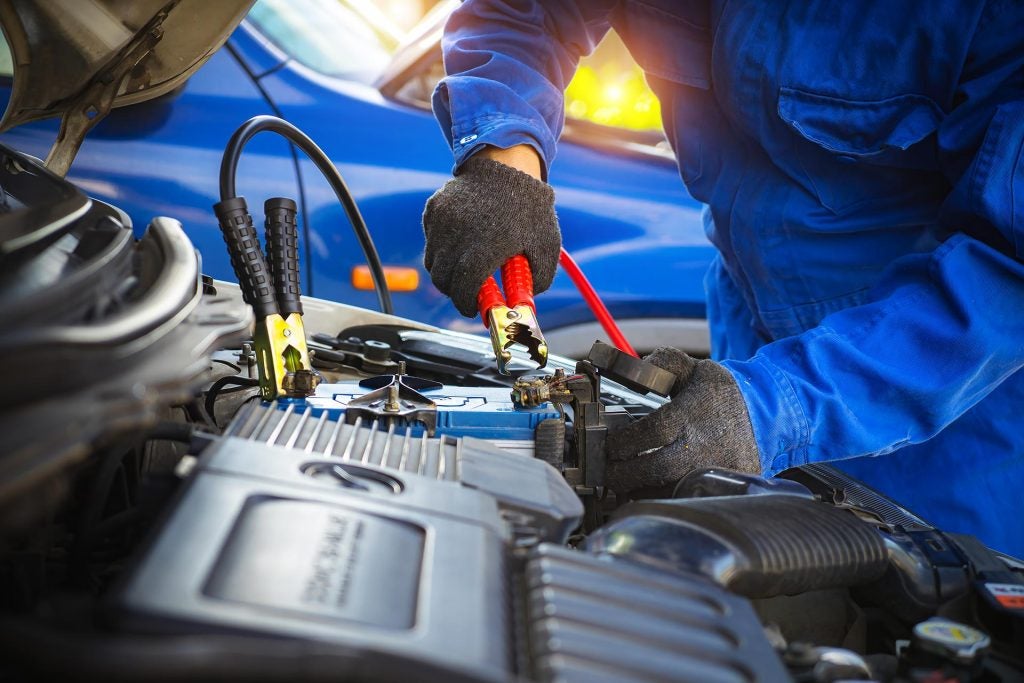
Mechanic connecting jumper cables to car battery for charging or jump-start

How Often Should You Replace Your Honda Battery? A Guide

If you turn the key or press the start button only to hear a sluggish crank or silence, a dead battery is likely the cause. Honda battery replacement is a critical maintenance task that is easy to overlook until it becomes an urgent problem. Marthaler Honda of Ashland in Ashland, WI helps you understand how long car batteries last and the warning signs that indicate it is time for a new car battery. Contact our team today to schedule an inspection. How Long Do Honda Batteries Last? Most Honda batteries last between three and five years. Real-world performance varies depending on driving habits, climate conditions, and vehicle usage. Drivers who take frequent short trips may find the battery wearing out sooner because the alternator needs more time to fully recharge it between stops. Honda owners who drive regularly on longer routes tend to get more life out of their batteries. Have your battery tested annually once it reaches the three-year mark. Signs Your Honda Battery May Need Replacing Knowing the Honda battery warning signs can save you from getting stranded. A slow engine crank is one of the earliest indicators. If your Honda takes longer than usual to start, the battery is not delivering enough power to the starter motor. The battery warning light on your instrument cluster also signals that you need a system check. Dimming headlights, flickering interior lights, or erratic electrical accessories point to a weakening battery. If you frequently jump-start your vehicle or notice a bloated or cracked battery case, schedule a Honda battery replacement immediately. What Affects Honda Battery Life? Temperature extremes influence how quickly a Honda battery ages. Cold winters force batteries to work harder to start the engine, while summer heat evaporates internal fluid and damages the internal structure. Leaving accessories running while the engine is off drains the battery. Vehicles that sit unused for extended periods are also vulnerable to battery discharge. Regular car battery service is the best way to catch these problems early through a simple voltage test. How Honda Battery Replacement Works During a Honda battery replacement, a trained technician tests the current battery output, inspects the terminals and cables for corrosion, and installs a replacement battery that meets exact Honda specifications. Using the correct battery for your specific Honda model ensures proper performance. Installing a battery with the incorrect cold-cranking amps or reserve capacity affects how your vehicle performs in demanding conditions. After installation, technicians check the charging system to ensure the alternator functions correctly. Schedule Your Next Honda Battery Service Today Have your battery inspected during every routine oil change. If your battery is three years old or older, request a battery health test. Drivers in Ashland, WI face harsh winter conditions that are notoriously tough on aging batteries, making proactive maintenance essential. When you are ready to schedule your Honda battery replacement or need a quick health check, the team at Marthaler Honda of Ashland in Ashland, WI is ready to assist. Visit us online and book your Honda service appointment today.

Prepare Your Honda for Spring: Essential Air Conditioning Tips

As the snow melts and temperatures rise in Ashland, WI, it’s time to ensure your Honda air conditioning system is ready for the warmer months ahead. A properly functioning AC system not only keeps you comfortable but also contributes to the overall health of your vehicle. Let’s explore why Honda air conditioning maintenance is crucial this spring and how you can prepare your car for the season. Why Spring is the Perfect Time for Honda Air Conditioning Maintenance Spring is the ideal season to address your Honda air conditioning system. After months of cold weather, your AC may have been inactive, leading to potential issues like refrigerant leaks or clogged filters. Scheduling a spring AC check for your Honda ensures that everything is in top shape before the summer heat arrives. Regular Honda air conditioning maintenance in spring can also help identify and fix minor issues before they become costly repairs. For example, if your car AC is not blowing cold air, it could indicate a refrigerant problem or a malfunctioning compressor. Addressing these issues early saves time and money while ensuring a comfortable driving experience. Key Steps for Maintaining Your Honda Air Conditioning System 1. Inspect and Replace the Cabin Air Filter One of the simplest yet most effective car AC maintenance tasks is checking the cabin air filter. Over time, this filter can become clogged with dirt and debris, reducing airflow and causing unpleasant odors. Replacing it ensures clean, fresh air circulates through your Honda’s cabin. 2. Check Refrigerant Levels Low refrigerant levels are a common reason for a car AC not blowing cold air. During a spring AC check for your Honda, a technician can measure and replenish refrigerant levels as needed. This step is essential for maintaining optimal cooling performance. 3. Test the AC System’s Performance Turn on your Honda air conditioning system and test its performance. Pay attention to how quickly it cools the cabin and whether there are any unusual noises or smells. If something seems off, schedule a professional Honda AC service in Ashland to diagnose and resolve the issue. 4. Inspect Belts and Hoses The belts and hoses connected to your Honda’s AC system play a vital role in its operation. Cracks or wear can lead to system failure, so it’s important to inspect these components regularly. Replacing worn parts during routine maintenance can prevent unexpected breakdowns. Benefits of Professional Honda AC Service in Ashland While some car air conditioning tips can be handled at home, professional service ensures thorough inspection and repair. Certified technicians at Marthaler Honda Ashland have the expertise to identify hidden issues and use specialized tools to restore your AC system’s efficiency. Whether it’s topping off refrigerant or addressing a complex repair, professional care keeps your Honda running smoothly all season long. Prepare your Honda for spring with expert air conditioning maintenance at Marthaler Honda Ashland. Our skilled technicians are here to ensure your AC system is ready for the warmer months ahead. Schedule your spring AC check today by visiting Marthaler Honda or calling our service center in Ashland, WI.

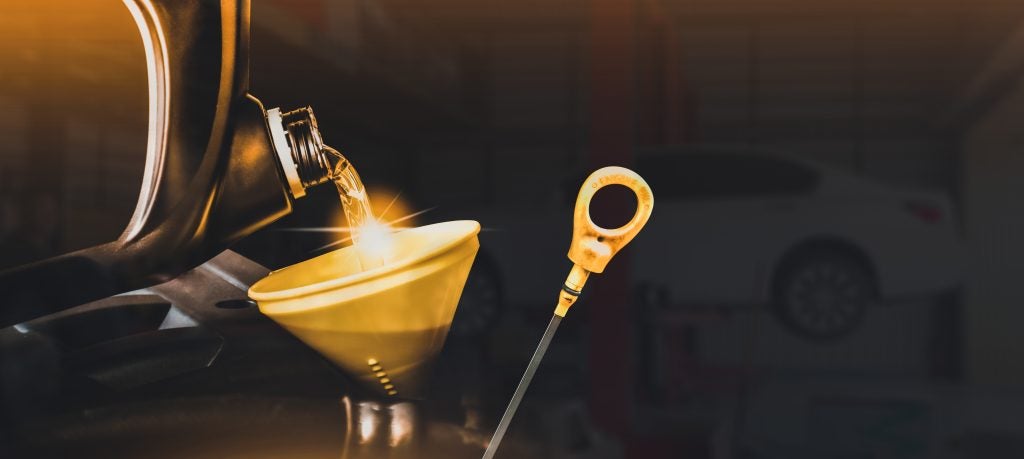
A close-up of engine oil being poured into a funnel with a car's dipstick visible in the background.

How to Tell if Your Honda’s Oil Pressure is Low: Signs and Solutions

Maintaining optimal oil pressure is essential for the health of your Honda's engine. If you’ve ever encountered a Honda oil pressure warning light or noticed unusual engine behavior, it could indicate a serious issue. Drivers in Ashland, WI, should be aware of the signs of low oil pressure and the steps needed to address the problem promptly. What Does Low Oil Pressure Mean for Your Honda? Oil pressure is a critical factor in ensuring your Honda's engine operates efficiently. When oil pressure drops below the recommended level, it can lead to insufficient lubrication of engine components, causing increased friction and potential damage. Low oil pressure meaning can range from minor issues like a clogged oil filter to more severe problems such as a failing oil pump or worn engine bearings. Ignoring low oil pressure can result in costly repairs or even complete engine failure. That’s why it’s crucial to understand the causes and act quickly when you notice any signs of trouble. Common Signs of Low Oil Pressure in Your Honda Recognizing Honda oil pressure low signs early can save you from major headaches down the road. Here are some key indicators to watch for: 1. Oil Pressure Warning Light: This is often the first and most obvious sign. If the oil pressure warning light illuminates on your dashboard, it’s a clear signal that something is wrong. Don’t ignore this alert—schedule a Honda service in Ashland, WI, immediately. 2. Engine Noise: Unusual sounds like knocking or ticking could indicate that your engine isn’t receiving adequate lubrication due to low oil pressure. 3. Decreased Engine Performance: A drop in oil pressure can cause your engine to struggle, leading to reduced power and efficiency. 4. Oil Leaks or Burning Oil Smell: These symptoms may point to a car oil pressure problem caused by leaks or excessive oil consumption. 5. Overheating Engine: Without proper lubrication, your engine may overheat, further exacerbating the issue. If you notice any of these signs, it’s essential to address the problem promptly to avoid long-term damage. Causes of Oil Pressure Issues in Honda Vehicles Understanding what causes low oil pressure can help you prevent future problems. Here are some common culprits: - Low Engine Oil Levels: Insufficient oil in the system is one of the most frequent causes of low oil pressure. Regularly checking and topping off your oil can prevent this issue. - Worn Engine Components: Over time, parts like bearings and seals can wear out, leading to reduced oil pressure. - Clogged Oil Filter: A dirty or clogged filter can restrict oil flow, causing pressure to drop. - Faulty Oil Pump: The pump is responsible for circulating oil throughout the engine. If it fails, oil pressure will plummet. - Using the Wrong Oil Type: Always use the manufacturer-recommended oil for your Honda to ensure proper lubrication and pressure levels. Routine Honda engine maintenance is key to avoiding these issues and keeping your vehicle running smoothly. How to Address Low Oil Pressure in Your Honda If you suspect an issue with your Honda's oil pressure, follow these steps: 1. Check Your Oil Level: Use the dipstick to ensure your engine has enough oil. If it’s low, add the appropriate type of oil as specified in your owner’s manual. 2. Inspect for Leaks: Look for visible signs of oil leaks under your car or around the engine bay. 3. Schedule Professional Service: For persistent issues or if you’re unsure of the cause, bring your vehicle to a trusted Honda service center in Ashland, WI. Experienced technicians can diagnose and resolve oil pressure issues effectively. At Marthaler Honda Ashland, we specialize in addressing car oil pressure problems and ensuring your vehicle remains in top condition.

honda tires bg-service (2)

Why Choosing the Right Honda Tires Matters

Your tires are the only things standing between you and the cold, hard truth of the road. Four palm-sized patches of rubber tasked with keeping 2 tons of metal pointed in the right direction at highway speed. That’s not a suggestion—it’s a fact. And when you’re piloting something like a 2026 Honda® CR-V or a 2026 Honda® Accord through Ashland, WI, where weather shifts moods faster than a barroom argument, tire choice stops being optional and starts being survival strategy. Good tires mean control. Bad tires mean white knuckles, longer stopping distances, and the creeping sense that the car has its own ideas about where it’s going. Choose wisely. Understanding Honda Tire Options Types of Tires for Different Honda® Models Honda® builds everything from sensible commuters to trail-ready machines, and each one demands the right rubber to match its personality. All-season tires are the everyday workhorses. They’re a solid fit for vehicles like the Honda® Accord and Civic®, handling rain and dry pavement without drama. Winter tires are the real deal for Ashland winters. Snow, ice, slush—these tires bite into it all with better traction and braking, which is the difference between getting home and sliding into a story you don’t want to tell. Performance tires belong on sharper-edged machines like the Civic® Si Sedan, delivering quicker response and tighter grip when driving enthusiasm creeps in. All-terrain tires suit tougher vehicles like the Honda® Passport and Ridgeline®, built to shrug off dirt roads, gravel, and the occasional bad idea. When to Replace Your Honda® Tires Tires don’t usually fail politely. They give warnings—subtle at first, then obvious. Tread depth worn below 2/32 of an inch is the legal and practical line in the sand. Uneven wear often points to alignment issues that quietly chew through rubber. Cracks or bulges along the sidewall are red flags, full stop. Frequent air loss is another sign that your tires are done negotiating. How to Choose the Best Tires for Your Honda Consider Your Driving Conditions Ashland doesn’t play favorites. Winters are serious business, and summer roads can still throw curveballs. Winter tires make sense for snow-heavy driving, while all-season tires cover a broad range of conditions for year-round use. Match Tires to Your Model’s Specifications Honda® engineers don’t throw darts at a wall when recommending tire sizes. The owner’s manual exists for a reason. A 2026 Honda® CR-V Hybrid carries different weight and demands than a 2026 Honda HR-V, and the tires need to match that reality. Explore Marthaler Honda Tire Options At Marthaler Honda® Ashland, tire selection isn’t a one-size-fits-all situation. You’ll find premium brands, practical options, and technicians who know exactly what works best for your specific Honda®. They’ll handle selection, installation, and setup without the upsell circus. Get Your Honda® Ready for Every Mile in Ashland, WI The right tires change everything—how your Honda handles, how it stops, and how confident it feels when the road turns ugly. For drivers in Ashland, WI, Marthaler Honda Ashland offers the experience, selection, and service to make sure your vehicle is equipped for whatever the weather decides to throw at it next. Stop in, talk it through, and get your Honda set up with tires that won’t flinch when conditions do.

brakes 3 (2)

Maximize Your Honda's Efficiency: The Importance of Honda Brake Service

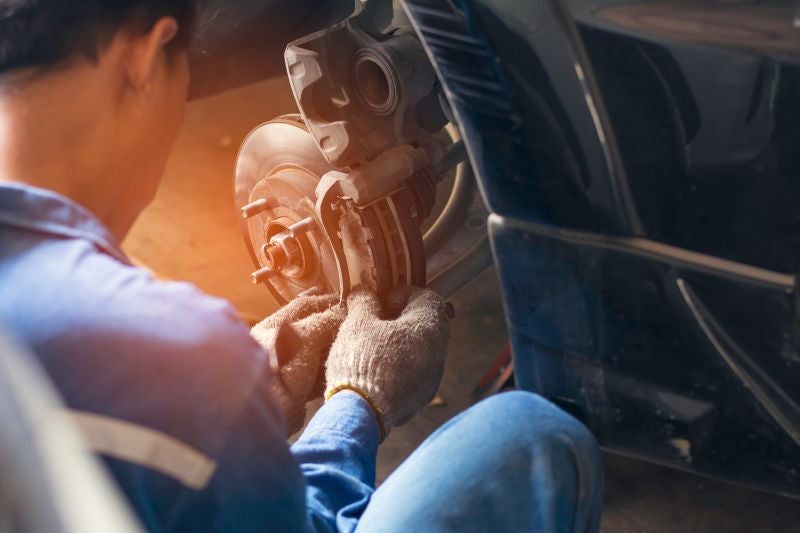
Your Honda’s brakes are one of its most critical safety components, ensuring you can stop quickly and avoid accidents. Regular Honda brake service not only preserves your vehicle's performance but also keeps you and your passengers safe on the road. Whether you're commuting in Ashland, WI, or embarking on a long road trip, well-maintained brakes provide the peace of mind every driver deserves. Brake systems require more than just occasional attention. From the pads and rotors to the brake fluid, every component works together to ensure effective stopping power. Neglecting routine brake maintenance, such as a brake inspection service or necessary repairs, can lead to reduced braking efficiency and costly repairs down the line. What Does a Comprehensive Honda Brake Service Include? At Marthaler Honda in Ashland, WI, our Honda brake service ensures every element of your brake system is thoroughly examined and maintained. Here's what you can expect: - Brake Inspection Service: Our technicians assess the condition of your brake pads, rotors, and calipers to identify wear or damage. - Brake Fluid Change Ashland: Over time, brake fluid absorbs moisture, which can reduce its effectiveness. Regular replacements help maintain optimal braking performance. - Brake Pad Replacement: Worn brake pads compromise stopping power and can damage rotors if left unchecked. These services are part of an overall brake maintenance routine for Honda vehicles, designed to keep your car performing safely and efficiently. Signs It's Time for Brake Maintenance on Your Honda Recognizing the signs that your brakes need attention can prevent potential hazards. If you notice any of the following symptoms, it’s time to schedule a Honda brake service: - Squealing or grinding noises when braking - A spongy or soft brake pedal - Vibration or pulsation when applying the brakes - Increased stopping distance Regular Honda safety checks, including brake inspections, can help catch these issues early and ensure your vehicle remains reliable. The Role of Brake Service in Honda Safety Checks Brake service plays a vital role in overall Honda safety checks. During these inspections, technicians evaluate the health of your entire braking system, ensuring it meets Honda's high safety standards. At Marthaler Honda in Ashland, our team uses genuine Honda parts and follows factory guidelines, guaranteeing your brakes perform as originally designed. By combining routine brake inspections with other essential services, such as tire rotations and fluid checks, you’re investing in the longevity and safety of your vehicle. See Marthaler Honda Ashland for All Your Service Needs Prioritizing Honda brake service is essential for maintaining your vehicle's efficiency and safety. From brake fluid changes in Ashland to complete inspections, proper care ensures your Honda performs reliably in all conditions. Trust the experts at Marthaler Honda in Ashland, WI, for all your brake maintenance needs. Schedule your service today and drive with confidence knowing your Honda is in expert hands.

Contact Us

Fill out this form below and we'll contact you shortly
*Required Fields