
Blog / ashland Dealer

Maximize Your Honda's Efficiency: The Importance of Honda Brake Service

brakes 3 (2)

Your Honda’s brakes are one of its most critical safety components, ensuring you can stop quickly and avoid accidents. Regular Honda brake service not only preserves your vehicle's performance but also keeps you and your passengers safe on the road. Whether you're commuting in Ashland, WI, or embarking on a long road trip, well-maintained brakes provide the peace of mind every driver deserves.

Brake systems require more than just occasional attention. From the pads and rotors to the brake fluid, every component works together to ensure effective stopping power. Neglecting routine brake maintenance, such as a brake inspection service or necessary repairs, can lead to reduced braking efficiency and costly repairs down the line.

What Does a Comprehensive Honda Brake Service Include?

At Marthaler Honda in Ashland, WI, our Honda brake service ensures every element of your brake system is thoroughly examined and maintained. Here's what you can expect:

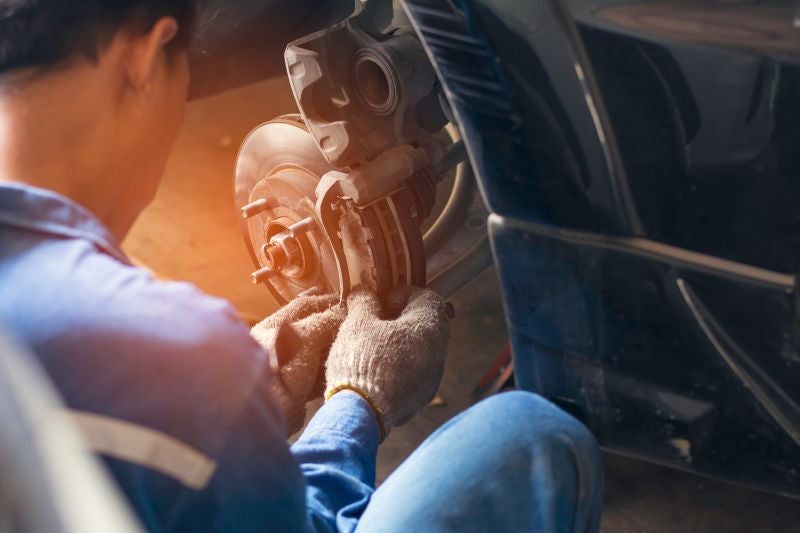
- Brake Inspection Service: Our technicians assess the condition of your brake pads, rotors, and calipers to identify wear or damage.

- Brake Fluid Change Ashland: Over time, brake fluid absorbs moisture, which can reduce its effectiveness. Regular replacements help maintain optimal braking performance.

- Brake Pad Replacement: Worn brake pads compromise stopping power and can damage rotors if left unchecked.  

These services are part of an overall brake maintenance routine for Honda vehicles, designed to keep your car performing safely and efficiently.

Signs It's Time for Brake Maintenance on Your Honda

Recognizing the signs that your brakes need attention can prevent potential hazards. If you notice any of the following symptoms, it’s time to schedule a Honda brake service:  

- Squealing or grinding noises when braking

- A spongy or soft brake pedal

- Vibration or pulsation when applying the brakes

- Increased stopping distance

Regular Honda safety checks, including brake inspections, can help catch these issues early and ensure your vehicle remains reliable.

The Role of Brake Service in Honda Safety Checks

Brake service plays a vital role in overall Honda safety checks. During these inspections, technicians evaluate the health of your entire braking system, ensuring it meets Honda's high safety standards. At Marthaler Honda in Ashland, our team uses genuine Honda parts and follows factory guidelines, guaranteeing your brakes perform as originally designed.

By combining routine brake inspections with other essential services, such as tire rotations and fluid checks, you’re investing in the longevity and safety of your vehicle.

See Marthaler Honda Ashland for All Your Service Needs

Prioritizing Honda brake service is essential for maintaining your vehicle's efficiency and safety. From brake fluid changes in Ashland to complete inspections, proper care ensures your Honda performs reliably in all conditions. Trust the experts at Marthaler Honda in Ashland, WI, for all your brake maintenance needs. Schedule your service today and drive with confidence knowing your Honda is in expert hands.

Posted in:

Related Posts

Auto service technician holding wrenches thumbs up

Honda Service Pass: How Ashland Drivers Can Save Time and Money on Maintenance

Staying on top of routine maintenance is essential for keeping your vehicle running smoothly. Ashland Honda in Ashland, WI offers the Honda Service Pass to make scheduled upkeep more convenient. If you drive a Honda Civic, CR-V, Accord, or any other eligible new model, this complimentary program provides incredible value. Reach out to our team to discover how this plan simplifies vehicle ownership. What Is the Honda Service Pass The Honda Service Pass is a complimentary maintenance program covering essential routine service needs for eligible new Honda vehicles. It includes oil changes, tire rotations, and multi-point inspections dictated by the Honda Maintenance Minder system. Instead of paying out of pocket for your first scheduled services, this program covers the costs to keep your car performing at its peak. How Ashland Drivers Benefit From the Program For local drivers, the Honda Service Pass offers practical value and peace of mind. The biggest advantage is immediate cost savings since standard maintenance items are complimentary for the designated term. It also makes scheduling straightforward. You are more likely to stay current on maintenance when there is no charge waiting for you at check-in. What Services Are Typically Covered The program focuses on foundational maintenance. Engine oil and filter changes are a core component, alongside tire rotations that extend tire life and promote even wear. Factory-trained technicians also perform comprehensive multi-point inspections. This ensures your vehicle performs correctly while strictly following manufacturer recommendations. How to Get Started With the Honda Service Pass Getting started is simple. You receive the Honda Service Pass automatically when purchasing an eligible new vehicle. During your next visit, a service advisor can explain the specific time and mileage limits for your model year. This is a highly practical way to keep your vehicle in great shape without managing individual service costs early in its lifespan. Driving Peace of Mind in Ashland, WI Owning a Honda comes with a strong foundation of reliability and quality engineering. Pairing that with the Honda Service Pass gives drivers even more reason to feel confident. When maintenance is complimentary and handled by trained technicians at Marthaler Honda Ashland in Ashland, WI, you spend less time worrying and more time enjoying the road ahead. Browse our digital showroom or speak with a service advisor today to learn more about your maintenance benefits.

Couple at a car dealership receiving car keys from salesperson

Certified Pre-Owned Honda vs Used Cars: What Ashland Drivers Should Know

If you're in the market for a pre-owned vehicle, you've likely found yourself weighing Honda CPO vs. used cars and wondering which option makes more sense for your budget and lifestyle. It's a smart question, and the answer depends on a few key factors including what kind of peace of mind you're looking for and how much certainty you want when driving off the lot. For drivers in Ashland, Wisconsin, understanding the difference between these options can save you time, money, and a lot of second-guessing. What Does Honda Certified Pre-Owned Mean? When you hear " certified pre-owned," or CPO, it means you’re not just getting a car someone else drove. To qualify for the Honda CPO program, a vehicle must pass a rigorous multi-point inspection covering mechanical components, safety systems, and overall condition. Only Honda vehicles that meet strict age and mileage requirements are even eligible for the CPO program. This is one of the most meaningful certified Honda advantages: you're not just taking someone's word for the car's condition. That kind of transparency is hard to find with a standard used car listing. Honda Certified Warranty Benefits vs. Typical Used Cars One of the biggest differences between Honda CPO vs. used cars comes down to what happens after you buy. With a standard used car, whatever warranty the seller offers—if any—is often limited. Once you drive away, you're on your own. Honda certified warranty benefits work differently. CPO vehicles come backed by Honda's limited warranty coverage, which typically includes powertrain protection and roadside assistance. Knowing that your vehicle has that backing gives you a level of confidence that a standard used car purchase simply can't match. For most buyers, that added protection is well worth considering. Used Honda Reliability: Does It Matter Which Route You Take? Honda has a well-earned reputation for building dependable vehicles. Used Honda reliability is a real selling point across the board, whether you're looking at a Civic, CR-V, Accord, or Pilot. But there's still a difference between a Honda that's been inspected and certified versus one sold as-is. With a private sale or non-certified used car purchase, you're relying on the vehicle's history report and your own inspection. With a CPO Honda, that inspection has already been done for you by trained professionals who know these vehicles inside and out. For buyers who want dependable used Honda reliability without the guesswork, the CPO route adds an extra layer of assurance. Used Car Buying Tips: Think Through Your Decision Sorting through used car buying tips can feel overwhelming, but there are a few practical questions worth asking yourself before you commit. What's your comfort level with risk? How important is warranty coverage to you? Are you planning to finance the vehicle, and does the certification status affect your loan options? CPO vehicles may come at a slightly higher price point than a comparable non-certified used car, but the added inspection, warranty protection, and peace of mind often make the difference worthwhile. On the other hand, if budget is your primary concern and you're comfortable doing your own due diligence, a standard used Honda can still be a solid choice given the brand's reputation for longevity. Making the Right Call on Honda CPO vs. Used Cars If you want documented inspection results, manufacturer-backed warranty coverage, and the confidence that comes with certified Honda advantages, the CPO route is designed exactly for that. If you're flexible and willing to do more legwork upfront, a non-certified used Honda can still deliver excellent value. Drivers throughout Ashland, Wisconsin have access to a strong selection of Honda vehicles at Marthaler Honda of Ashland. Whether you're leaning toward a certified option or exploring the broader used inventory, take your time, ask questions, and choose the path that fits your needs best. Either way, you're starting with a brand that's built its reputation on doing things right, and that counts for a lot.

Person replacing windshield wiper blades on a car.

How to Check If Your Honda’s Wipers Need Replacing This Spring

Spring is here, and with it comes the perfect opportunity for Honda spring maintenance. One critical yet often overlooked aspect of vehicle upkeep is ensuring your windshield wipers are in top condition. Properly functioning wipers are essential for maintaining windshield visibility safety, especially during unpredictable spring weather in Ashland, WI. In this guide, we’ll walk you through Honda wiper check tips, signs your wipers need replacing, and how to extend their lifespan. Why Windshield Wipers Are Crucial for Spring Driving Windshield wipers are your first line of defense against rain, sleet, and debris that can obstruct your view while driving. As part of your Honda maintenance spring checklist, inspecting your wipers ensures they’re ready to handle the season’s challenges. In Ashland, WI, where weather conditions can change rapidly, having reliable wipers is vital for safe driving. Worn-out wipers can lead to streaks, smears, or even scratches on your windshield, compromising visibility and safety. Regular checks and timely replacements are key to avoiding these issues. Honda Wiper Check Tips: How to Inspect Your Wipers Performing a quick inspection of your windshield wipers is simple and can save you from potential hazards. Here’s how to do it: 1. Visual Inspection: Look for cracks, tears, or any visible damage on the rubber blades. 2. Test Performance: Turn on your wipers and observe their movement. Do they leave streaks or make unusual noises? 3. Check Flexibility: Gently lift the wiper arm and feel the blade’s flexibility. If it feels brittle or stiff, it’s time for a replacement. These Honda wiper check tips can be done in just a few minutes and are an essential part of your spring maintenance routine. Signs Your Wipers Need Replacing Knowing the signs wipers need replacing can help you address issues before they become serious. Here are some common indicators: - Streaking or Smearing: If your wipers leave streaks on the windshield, the rubber blades may be worn out or damaged. - Chattering or Squeaking: Noisy wipers often indicate hardened rubber or misalignment. - Reduced Contact: If parts of the windshield remain untouched during wiping, the blade may have lost its shape. - Visible Damage: Cracks, splits, or missing chunks of rubber are clear signs that replacement is necessary. By recognizing these signs early, you can ensure optimal windshield visibility safety during every drive. Extending the Lifespan of Your Wipers While wiper blades naturally wear out over time, proper care can help extend their lifespan. Here are some tips: - Clean Regularly: Wipe down the rubber blades with a damp cloth to remove dirt and debris. - Avoid Using on Dry Glass: Operating wipers on a dry windshield can cause unnecessary wear. Use washer fluid to lubricate the surface. - Protect from Sunlight: Prolonged exposure to UV rays can degrade the rubber. Park in shaded areas whenever possible. Following this wiper lifespan guide as part of your Honda maintenance spring routine will not only save you money but also enhance your driving safety. Spring is the perfect time to ensure your Honda is ready for the road ahead, starting with a thorough check of your windshield wipers. By following these Honda wiper check tips and recognizing the signs wipers need replacing, you can maintain optimal windshield visibility safety throughout the season in Ashland, WI. Don’t wait until it’s too late—make wiper inspection a priority in your Honda spring maintenance checklist today! For more expert advice or assistance with your vehicle’s maintenance needs, visit Marthaler Honda Ashland https://www.marthalerhondaofashland.com/service.aspx. Let us help you keep your Honda in peak condition this spring!