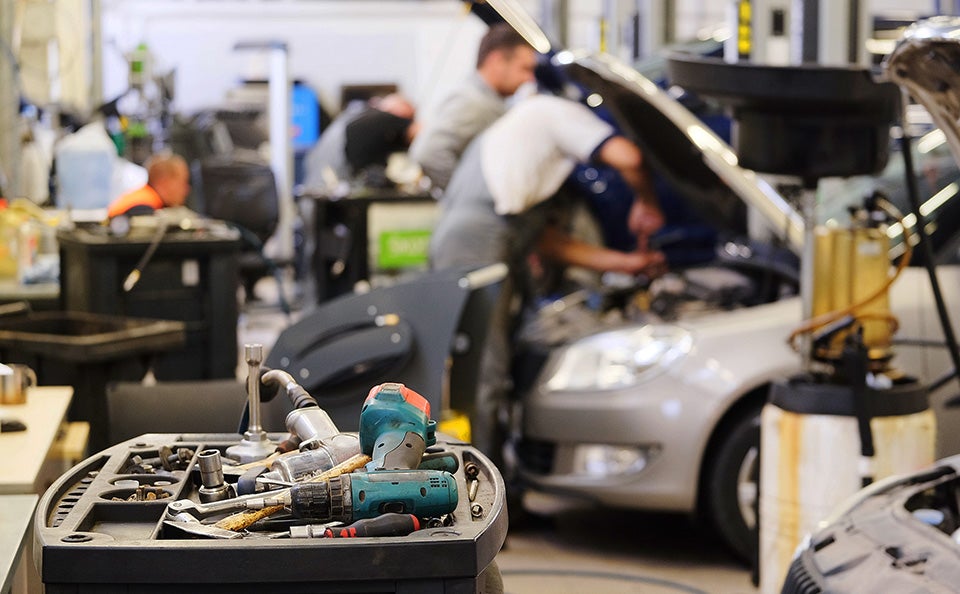

A Honda Civic Sedan, CR-V, or Accord Hybrid may be built to cover a lot of miles, but reliability isn't something the vehicle stores in a tank and draws from indefinitely. Oil gets contaminated. Tires lose tread. Brake pads lose friction material. Filters fill with debris. Batteries age. Honda vehicle maintenance is largely the process of checking those components, replacing consumable items when required, and dealing with wear before one worn part starts creating work for several others. For drivers around Ashland, WI, routine service at Marthaler Honda of Ashland gives technicians a chance to see how those parts are holding up.
The Maintenance Minder Keeps Track of the Schedule
Modern Honda vehicles can use the Maintenance Minder™ system to indicate when specific maintenance is due based on vehicle operation. That's more informative than applying the same arbitrary mileage interval to every Honda regardless of how it's driven. When the system displays a maintenance message or code, the owner's manual can identify the corresponding service. Following those prompts helps turn maintenance into a series of scheduled jobs rather than waiting until the vehicle develops a noise, smell, leak, vibration, or other creative method of requesting attention.
Oil Has a Difficult Job Inside an Engine
Engine oil lubricates moving components, helps manage heat, and carries contaminants toward the filter. Eventually, the oil and filter require replacement. During an oil change, technicians can use the appropriate oil specification for the Honda engine rather than relying on a one-size-fits-all recommendation. Other fluids perform completely different jobs. Coolant manages engine temperature, brake fluid transfers hydraulic force, and transmission fluid serves the transmission. Fluid inspections and scheduled maintenance help determine when each requires attention.
Tires and Brakes Spend Their Lives Wearing Out
Tires support the vehicle while handling acceleration, braking, and cornering forces, so tread loss is part of the arrangement. Tire rotations can help promote more even wear when performed according to the vehicle's maintenance requirements, while tire service can address inflation, damage, and unusual wear patterns. Brake pads are another deliberately consumable component. Squealing, grinding, changes in pedal feel, or other changes during braking justify a brake inspection because the cause needs to be identified before somebody starts ordering parts.
Filters Catch the Things You Don't Want Elsewhere
The engine air filter helps keep unwanted material from entering the engine's intake system, while the cabin air filter handles airborne debris entering the passenger compartment through the ventilation system. Both eventually collect enough material to require replacement. Their service intervals and condition depend on the vehicle and operating environment, so filter inspection can be included with routine Honda service rather than relying on guesswork.
The Battery Gets Attention Usually After It Stops Cooperating
A conventional 12-volt battery has the unfortunate habit of receiving very little appreciation while working and tremendous attention when it doesn't. Battery condition can change with age, temperature, vehicle use, and other factors, making battery testing a good part of maintenance. Hybrid and electric Honda models also contain additional high-voltage components requiring the appropriate service procedures, which is rather different from simply attaching a tester to a 12-volt battery and hoping for cheerful numbers.
Give the Honda a Service Bay Before It Needs a Tow Truck
Good maintenance isn't complicated: follow the Maintenance Minder™, inspect wear items, use the correct fluids and parts, and address developing problems when they appear. Marthaler Honda of Ashland can help local drivers with oil changes, tire rotations, brake service, battery testing, filter replacement, Multi-Point Inspections, and scheduled Honda maintenance. Check current service specials, review upcoming maintenance with the service team, and schedule your Honda service appointment online.
Honda Maintenance: Every Part Has a Job, and None of Them Work Forever