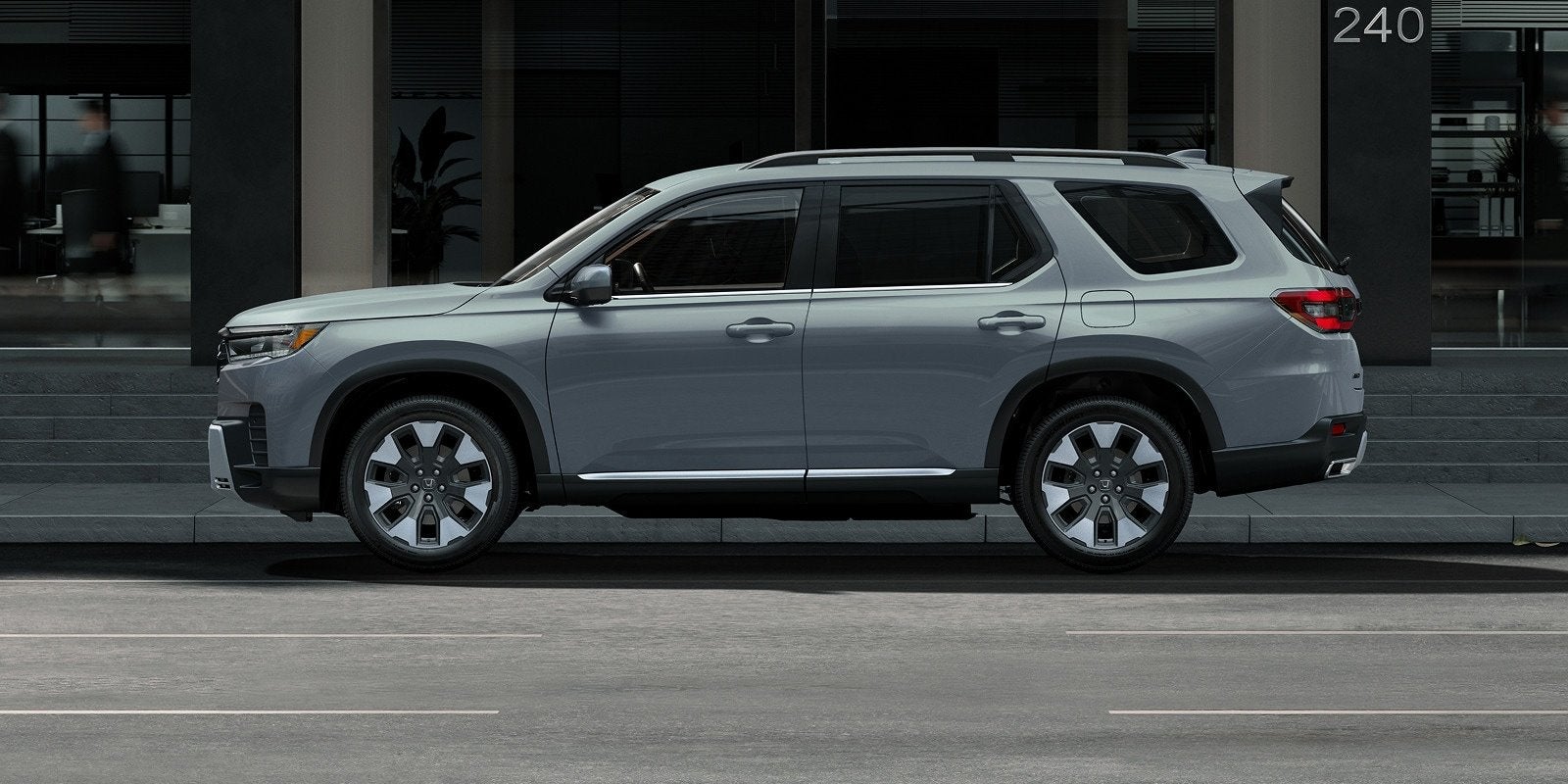

Wheel alignment is one of those services you tend not to think about until the Honda starts doing something slightly irritating. Perhaps the steering wheel is no longer centered when you're travelling straight, the car seems to favor one side of the road, or a look at the tires reveals that one edge is disappearing rather faster than the rest. None of these symptoms proves the alignment is wrong, but they're good reasons to have it checked. For drivers around Ashland, WI, an alignment inspection at Marthaler Honda of Ashland can establish what's happening before a set of perfectly decent tires gets unnecessarily chewed up.
Alignment Is About Angles, Not Moving the Tires Around
A wheel alignment involves measuring and, where applicable, adjusting suspension geometry so the wheels sit within the manufacturer's specifications. The principal measurements are toe, camber, and caster. Toe describes the direction the wheels point relative to one another, camber their inward or outward tilt viewed from the front, and caster the steering-axis angle viewed from the side. You don't need to memorize any of this. The important bit is that small deviations can influence how a Honda tracks and how its tires wear.
The Tires Often Provide the Best Evidence
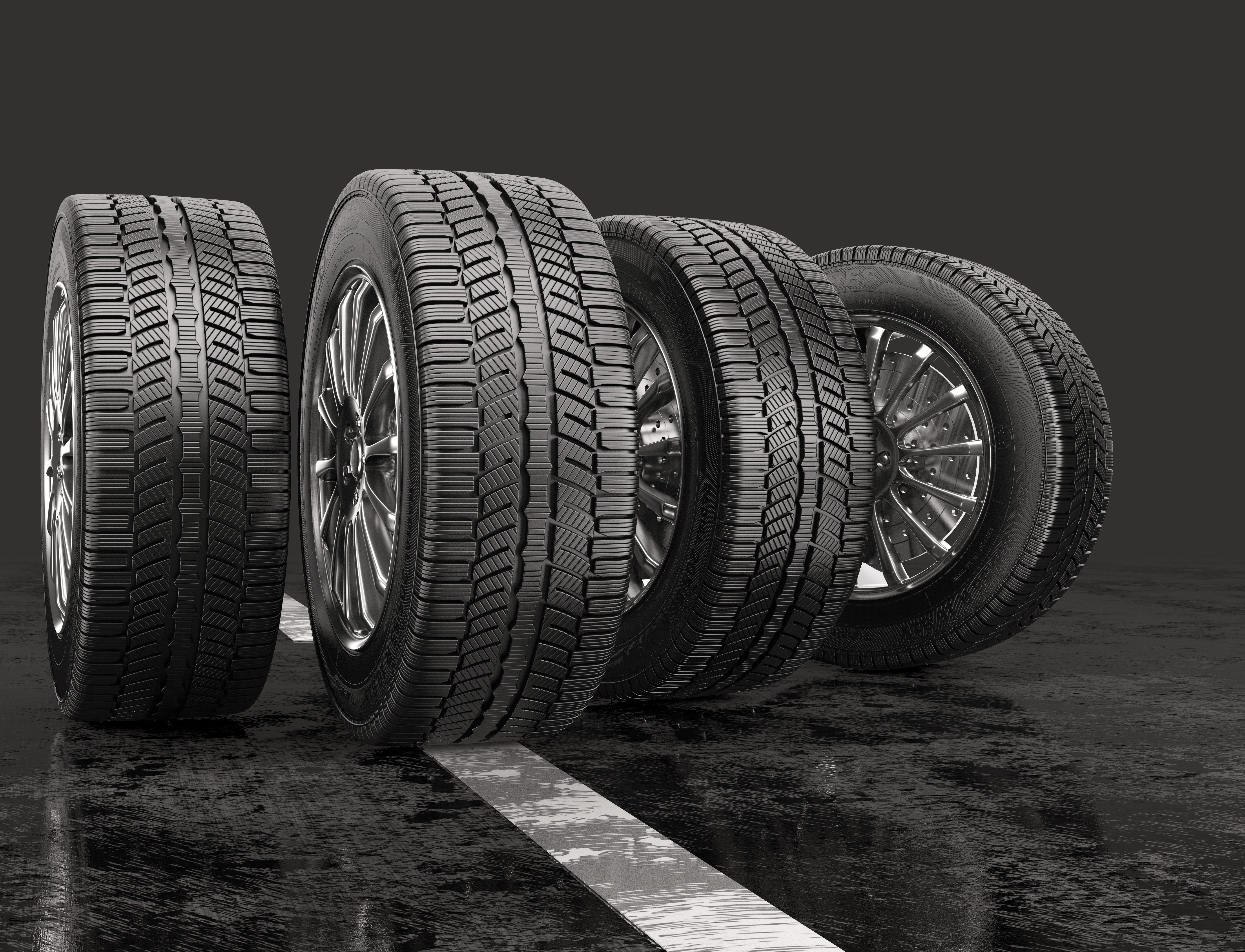
Uneven tread wear is one reason to schedule an alignment check, particularly if one edge or section of a tire is wearing differently from the rest. A steering wheel that sits noticeably off-center while travelling straight can be another clue. Pulling or drifting deserves investigation as well, although alignment isn't the only possible cause; tire pressure, tire condition, road crown, brakes, and suspension components can also affect how a vehicle tracks. Steering-wheel vibration is commonly blamed on alignment, but tire balance, tire damage, wheels, or suspension components may be more relevant. Diagnosis comes before adjustment.
Potholes and Curbs Aren't Kind to Suspension Geometry
A substantial pothole strike or encounter with a curb can justify having the alignment inspected, particularly if the Honda behaves differently afterward. Worn or damaged steering and suspension components can affect alignment readings as well. This is why simply adjusting the angles isn't always the complete answer. If something is bent, loose, or worn, the technician needs to identify that first. A steering and suspension inspection can therefore become part of the process when the measurements or vehicle behavior suggest something beyond a routine adjustment.
Good Alignment Helps Protect the Tires You've Paid For
The strongest argument for keeping alignment within specification is tire wear. Tires are expensive enough without asking one shoulder of the tread to do considerably more work than the other. Correct alignment helps the tires operate as designed and can support predictable steering behavior. Tire rotations and proper inflation remain important too, so alignment service works best as part of broader tire maintenance rather than as a cure for every tread-wear problem.
There's No Need to Align a Honda by Calendar Alone
A Honda doesn't automatically require an alignment because another year has passed. It makes more sense to check alignment when symptoms appear, after a significant impact, when abnormal tire wear is found, or when related steering or suspension work makes an alignment necessary. During routine Honda service, tire rotations and Multi-Point Inspections also provide opportunities to spot wear patterns that may justify a closer look.
Have the Alignment Measured Before the Tires Pay for It
If your Honda is pulling, the steering wheel has moved off-center, or the tires are developing unusual wear, Marthaler Honda of Ashland can inspect the vehicle and determine if wheel alignment or another tire, steering, or suspension service is needed. Ashland-area drivers can also explore tire service, tire rotations, maintenance inspections, and current service specials, then schedule a Honda wheel alignment check online today.
Honda Wheel Alignment: Your Tires Can Tell You When Something Isn't Right